Smiley Face, Melted Smiley, Checkered
First Impressions: Playful, Not Precious
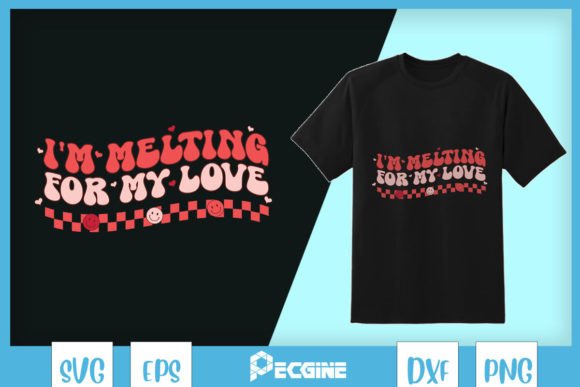
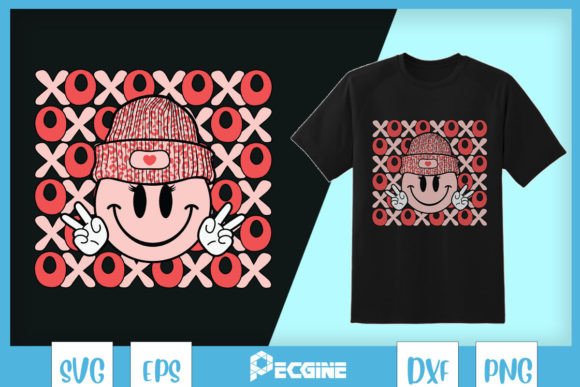
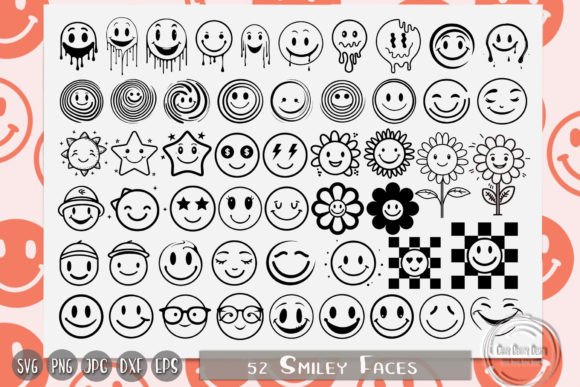
When I opened Smiley Face, Melted Smiley, Checkered, I didn’t see a generic clipart grin—I saw attitude. The melting effect isn’t sloppy; it’s intentional slouch, like the smile leaned too long against summer heat. Paired with clean checkered patterning, it lands somewhere between retro diner charm and modern ironic craft. It doesn’t scream “baby shower” or “corporate swag”—it leans into lighthearted authenticity. That makes it unexpectedly versatile for handmade product lines where personality matters more than polish.
A Real-World Test: Embroidering a Linen Tote for a Local Bakery
Last week, I used Smiley Face, Melted Smiley, Checkered on a 12”x15” natural linen tote—part of a small batch for a neighborhood bakery’s weekend pop-up. Why this design? Because their branding balances warmth and wit, and a stiff, symmetrical smile would’ve felt off-brand. The melted contour softened the look just enough, while the checkered detail added subtle texture without overwhelming the fabric’s weave. Stitched in matte cotton thread (navy + cream), it held up beautifully at 3.8” wide—no distortion, no puckering. Customers paused to smile *at* the smile. That’s the quiet win: emotional resonance, not just visual completion.
Where It Shines—and Where It Asks for Care
Smiley Face, Melted Smiley, Checkered works best when treated as a statement accent—not filler. It excels on:
- Medium-weight fabrics: Sweatshirt fleece, canvas totes, tea towels, and structured aprons all support its shape without stretching or swallowing detail.
- Personalized gifts: Think embroidered baby onesies (use soft stabilizer), pillow covers for teens, or holiday kitchen towels—where humor feels human, not hokey.
- Small shop merchandise: A single stitched motif on a black cap or denim jacket pocket adds recognizable charm without clutter.
- Etsy listings: Paired with a clean printable mockup, this design reads as cohesive, ownable, and commercially ready—ideal for digital embroidery file shops or craft business bundles.
But it’s not universally forgiving. Avoid using Smiley Face, Melted Smiley, Checkered on:
- Ultra-thin or highly stretchy fabric (like ribbed baby knits or lightweight jersey) without extra cutaway stabilizer—the melted curves can blur or distort under tension.
- Curved surfaces with tight radius (e.g., front panels of low-profile caps)—the checkered grid may compress unevenly unless digitized for curve compensation (which this version doesn’t appear to be optimized for).
- Dark fabric with light thread without testing contrast first—the fine checkered lines can fade visually if thread weight or density isn’t balanced.
- Products meant for heavy laundering (like kids’ bibs or dish towels) unless you verify stitch density supports durability—tight fill areas near the smile’s curve need reinforcement.
Design Integrity in Action
What separates Smiley Face, Melted Smiley, Checkered from forgettable graphics is how it holds up across contexts. On a cream sweatshirt? Warm and inviting. On navy canvas? Crisp and confident. As an embroidered patch? Its simplified silhouette scales cleanly down to 2.5”. As a vinyl decal (per the product description), the outlines translate smoothly—no jagged edges, no overcomplicated nodes. That adaptability signals thoughtful vector construction, not rushed tracing.
For Etsy sellers and craft business owners: this isn’t just decoration—it’s brand shorthand. When customers recognize your shop’s playful tone through consistent use of motifs like Smiley Face, Melted Smiley, Checkered, trust builds. It says you curate, not just compile. And because it avoids cutesy clichés, it sidesteps looking dated fast—a real advantage for seasonal or evergreen handmade product lines.
Practical Designer Notes Before You Stitch
Before committing to your first run, treat Smiley Face, Melted Smiley, Checkered like any professional embroidery file:
- Test on scrap fabric—especially if using textured weaves or blends. Watch how the checkered pattern interacts with surface nap.
- Check thread color contrast in both natural and artificial light. What reads clearly on screen may mute on oat linen or heather gray.
- Review stitch density in the curved “melt” zone. Overly dense satin stitch here can cause stiffness; too sparse, and the shape loses definition.
- Confirm hoop size compatibility. This design fits comfortably in a 4”x4” hoop—but verify before nesting multiple units on larger garments.
- Inspect small details at actual stitch-out size. Those tiny checkered squares should remain legible, not collapse into blobs.
- Try black-and-white mockups first. If it reads well without color, you’ve got strong composition.
- Use appropriate stabilizer: medium tear-away for stable fabrics, cutaway for knits or lightweight weaves.
- Verify licensing—since this is a digital embroidery file marketed for commercial use (t-shirts, cups, stencils), confirm whether resale of finished embroidered items is permitted, and whether redistribution of the file itself is restricted.
Final Thought: Charm With Craftsmanship
Smiley Face, Melted Smiley, Checkered won’t replace your go-to monogram or florals—but it fills a specific, valuable gap: joyful, slightly irreverent personality that stitches cleanly and sells with sincerity. It’s the kind of design that makes a customer say, “I *need* that on my tote,” not just “That’s cute.” For crafters building a voice, not just volume, it’s a quiet asset—one that earns its place in your embroidery project queue, your Etsy shop, and your next small-batch launch.