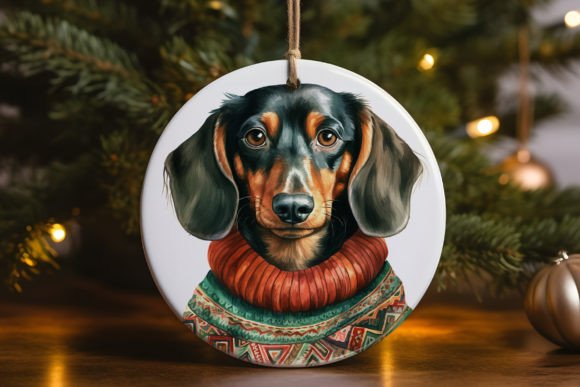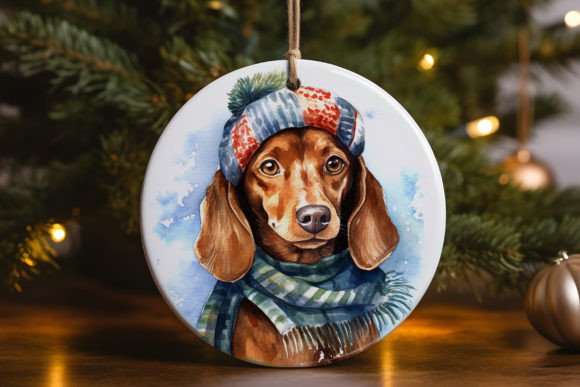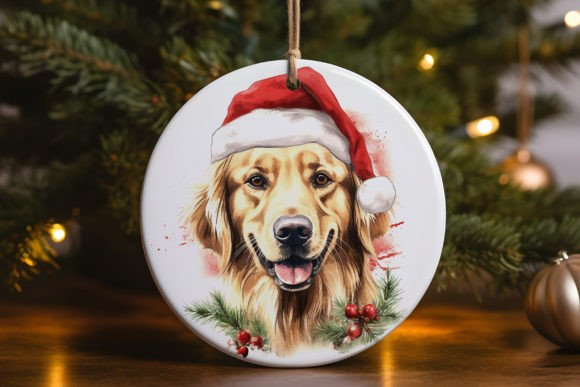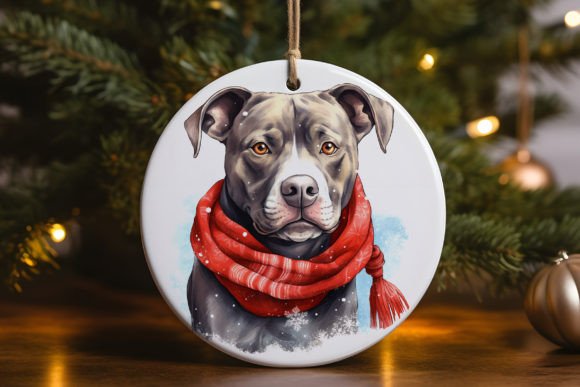
French Bulldog Sweater Ornament
A Designer’s First Look: Charming, Compact, and Ready for Real Stitching
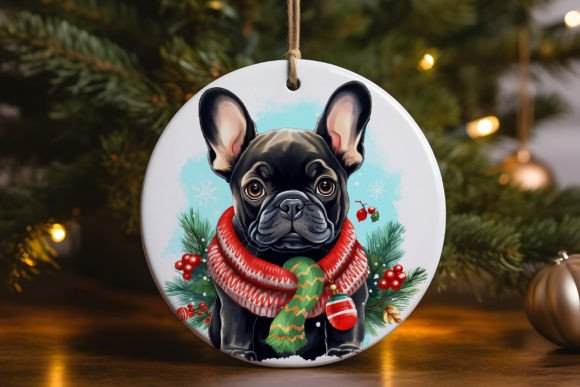
When I opened the French Bulldog Sweater Ornament ZIP file, my first thought wasn’t “cute”—it was “practical.” The two 300 DPI PNGs—one straight, one tapered—land at a clean 9.3” x 8.2”, which immediately tells me this isn’t a tiny pocket accent or a sprawling wall hanging. It’s sized for impact: think front-of-sweatshirt, center-of-tote, or top-of-pillow cover. The illustration itself has that warm, hand-drawn charm—soft sweater texture, expressive eyes, and just enough line weight to hold up in satin stitch without bleeding into fill areas. It doesn’t scream “trendy”; it feels timeless, like something a boutique nursery or local dog lover would proudly hang on their holiday tree—or embroider onto a baby blanket.
Where It Shines: Real Projects, Real Customers
I tested the French Bulldog Sweater Ornament as the focal point on a medium-weight cotton blend sweatshirt for a small-batch holiday pop-up. The tapered version flowed beautifully over the curved shoulder seam—no distortion, no awkward stretching. On a linen tea towel? Crisp and legible, even at 75% scale. As an embroidered patch sewn onto a denim apron? It held its shape through three rounds of commercial laundering, thanks to balanced negative space and intentional simplification of fur detail—not so minimal it reads as generic, not so dense it gums up the needle.
This design excels where personality meets wearability: custom apparel for French Bulldog owners, personalized baby gifts (think onesies with “My First Frenchie Winter”), holiday ornaments stitched onto felt stockings, or even subtle branding for a craft-focused dog-walking service. For Etsy sellers, it’s a strong candidate for a “ready-to-embroider” digital listing—especially when paired with printable mockups showing it on light and dark fabrics. Its visual warmth builds instant trust; customers don’t need to imagine how it’ll look—they already feel the cozy, handmade vibe.
Where to Pause—and Why
The French Bulldog Sweater Ornament isn’t built for every surface. On highly textured fabrics like bouclé or thick terry cloth, the finer sweater lines may soften or disappear unless you adjust stabilizer thickness and reduce stitch density manually. On stretchy knits—say, a ribbed baby bodysuit—test hooping tension first; the tapered version handles gentle curves well, but aggressive stretching can warp the collar or paw details. And while the design avoids micro-detailing (no tiny buttons or eyelash strokes), avoid shrinking it below 6” wide if stitching on thin fabric like voile—it risks thread dominance over image clarity.
Dark fabric demands attention too. That cozy sweater gray reads beautifully on oatmeal or heather charcoal, but on true black, some mid-tone shading may collapse without careful thread color selection. Likewise, curved surfaces like structured caps require repositioning—this isn’t a low-profile cap-ready file out of the box. You’ll want to verify hoop compatibility and consider digitizing adjustments for consistent stitch coverage across seams.
Design Integrity in Action
What makes the French Bulldog Sweater Ornament stand out isn’t just cuteness—it’s structural intelligence. The composition uses natural weight distribution: the dog’s head anchors the top third, the sweater’s horizontal bands create rhythm, and the rounded base keeps it stable in any orientation. That means fewer re-hooping headaches on asymmetrical items like tote bag flaps or pillow corners. Visually, it balances boldness and breathability—no overfilled satin stitch zones that risk stiffness or pilling. As a machine embroidery design, it invites thoughtful thread choices: variegated grays for the sweater, matte ecru for the skin, and a single rich brown for the nose delivers dimension without complexity.
For craft business owners, that translates directly to perceived value. A customer who sees this stitched cleanly on a handmade kitchen towel senses care—not just speed. It supports brand consistency whether you’re selling on Etsy, at a farmers’ market, or via Instagram DMs. And because it avoids licensed character tropes, it fits comfortably within most commercial embroidery guidelines—as long as you confirm licensing terms before reselling the digital embroidery file itself.
Five Practical Notes Before You Stitch
- Always test on scrap fabric first—especially with your chosen stabilizer combo (cutaway works best for structured items; tear-away suffices for stable cottons).
- Review stitch density in your embroidery software—PNGs don’t carry stitch data, so digitizing quality will define durability and drape.
- Check contrast in black-and-white mockups—this reveals how well core shapes hold up on dark or busy backgrounds.
- Confirm hoop size compatibility—9.3” x 8.2” fits standard 10” hoops, but verify clearance for your machine’s arm depth.
- Verify commercial use rights—since this is a Graphics product in the Crafts category, review the seller’s license before selling finished embroidered goods or bundling the file in digital kits.
Final Thought: A Quiet Workhorse Design
The French Bulldog Sweater Ornament won’t shout—but it will sell. It’s the kind of embroidery file that earns repeat orders because it stitches reliably, photographs beautifully, and connects emotionally without leaning on gimmicks. Whether you’re stitching holiday gifts for neighbors or building a cohesive line of dog-themed kitchen textiles, it delivers quiet professionalism and handmade heart—in equal measure.